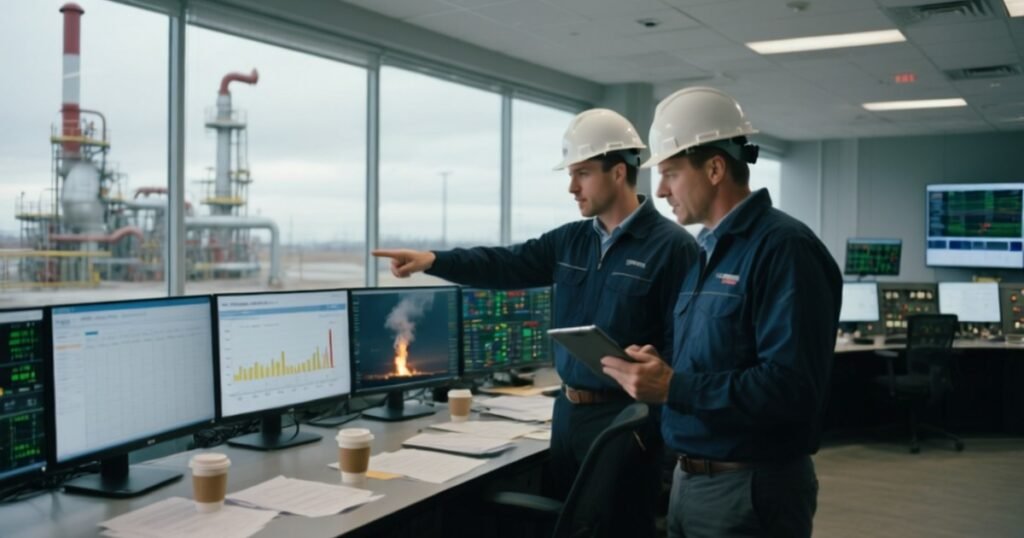
Calgary cleantech company SensorUp has closed growth financing to scale its agentic operations platform, and that matters well beyond one local startup. This is another sign that industrial AI is moving from pilot projects to the messy, expensive work of running real operations.
Why this round matters more than the dollar figure
The company didn’t disclose the size or stage of the round, but the investor list tells you plenty. Pender Ventures led it, with Climate Investment, Evok Innovations, and Occidental all in the mix, which suggests the platform has already earned trust where it counts: in heavy industry.
SensorUp says its software pulls data across assets in oil and gas and helps companies monitor production, track flare and venting against regulatory thresholds, detect methane leaks, and assemble emissions inventories. That is not flashy AI theater. It is the kind of routine, high-stakes workflow that AI automation Calgary businesses in resource sectors are starting to take seriously because it saves time, reduces manual work, and tightens control.
For Alberta companies watching from the sidelines, this is the practical version of AI adoption: less hype, more operations. It is also exactly the sort of business process automation for Alberta companies that DAvision helps teams map out when they want AI to support staff instead of adding another layer of software chaos.
What this means for industrial businesses
The clearest signal here is that industrial buyers are no longer asking whether AI belongs in the workflow. They are asking which platform can handle the data, the compliance burden, and the day-to-day reality of field operations.
SensorUp says the financing will go toward accelerating customer deployment, improving its agentic modelling, and expanding into mining, power generation, and utilities. That is a broad industrial play, and it fits a bigger pattern: companies want systems that can connect scattered inputs, surface exceptions, and help teams act faster without replacing the people who know the business.
That is the same logic behind business automation for Alberta companies: remove the repetitive work, keep the human judgment, and let operations teams focus on the decisions that actually move the needle. For Calgary firms in oil and gas, construction, logistics, and professional services, that shift is becoming less optional by the month.
What to do if your team is still stuck in manual mode
If your operation still depends on spreadsheets, email chains, and someone manually reconciling data at the end of the week, this is your cue to look harder at automation. Start with one workflow that is slow, repetitive, and expensive to get wrong — reporting, intake, routing, compliance checks, or customer follow-up.
If you want a broader view of how these systems are showing up across the city and beyond, more AI automation news for Calgary businesses is worth following. And if you are ready to see what this looks like inside your own company, DAvision builds the kind of AI systems Calgary teams can actually use, not just admire from a press release.
For a practical next step, explore AI automation services in Calgary at davision.ca.